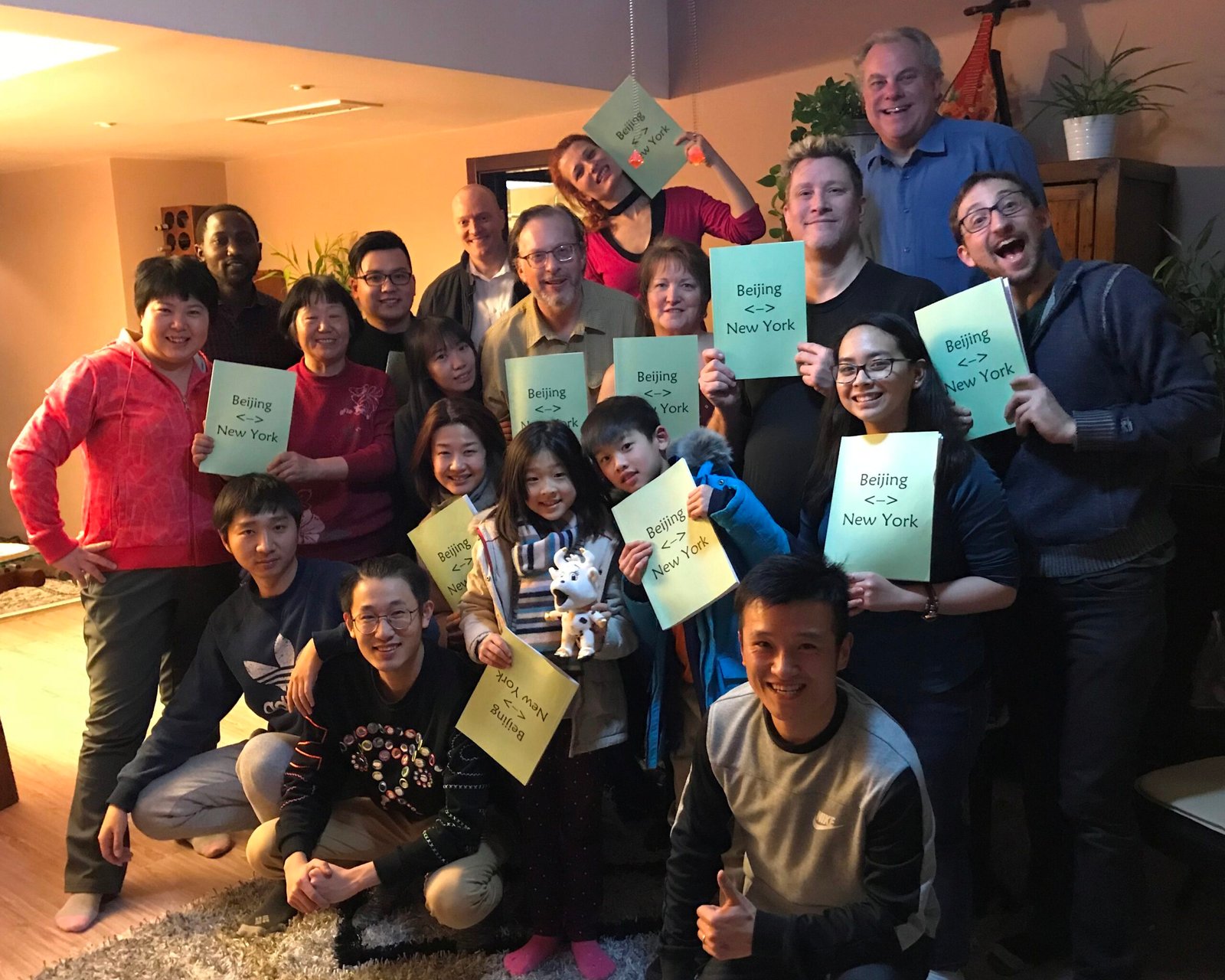

For Chris Verrill, community has never been a buzzword.
It has been a recurring theme throughout his career.
From theater audiences to digital platforms, classrooms to fundraising events, Verrill has spent much of his professional life thinking about what makes people gather, participate, and return.
His answer is surprisingly straightforward: people stay where they feel that they matter.
In the digital economy, attracting attention has become easier than maintaining it. Platforms can acquire users through advertising, promotions, or viral content. The harder challenge is creating an environment that gives people a reason to return after the initial excitement disappears.
Verrill believes that begins with trust.
Trust is built through consistency. People need to know what a community represents, how disagreements will be handled, and whether their contributions will be respected.
That does not mean every member has to agree.
In fact, disagreement can be a sign of a healthy community when people feel safe enough to express different opinions.


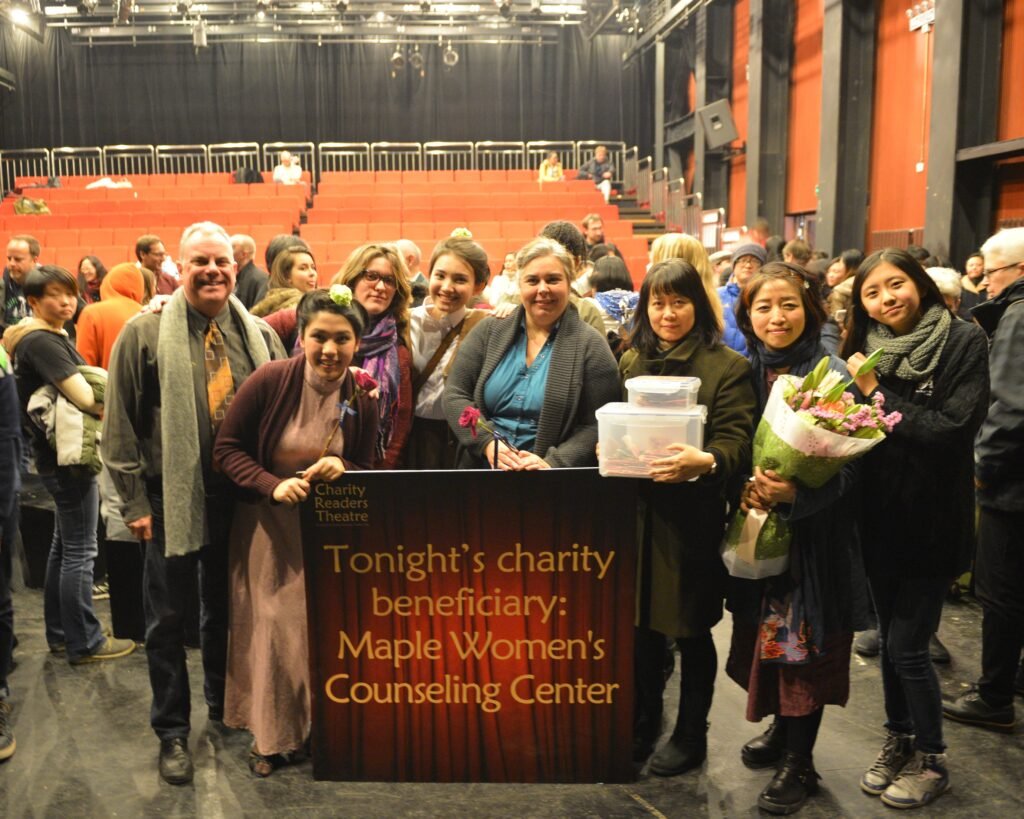
The challenge is maintaining an environment where disagreement does not become hostility.
This is where Verrill’s experience in moderation becomes especially relevant.
His “hosting, not policing” philosophy applies beyond online communities. A strong community requires leadership, but leadership does not always need to be visible.
Sometimes the best leaders create the conditions for other people to contribute.
That principle has influenced his entrepreneurial thinking as well.
When developing a platform or community-focused project, Verrill asks a simple question: what will make someone want to come back?
The answer is rarely a single feature.
It may be useful information, meaningful relationships, entertainment, recognition, or the feeling that a person’s participation has value.
The strongest communities usually combine several of these elements.
Verrill also understands that community-building takes time.
There is often pressure to measure everything immediately: user numbers, engagement rates, growth percentages, and revenue.
Those measurements matter, but they do not always reveal whether a community is healthy.
A smaller group of deeply engaged members can sometimes be more valuable than a much larger audience that rarely returns.
For Verrill, the real achievement is creating something that becomes part of people’s routines.
A place they check regularly.
A conversation they look forward to.
A network of people they recognize.
A project they feel ownership over.
That sense of belonging is difficult to manufacture because it depends on genuine relationships.
Technology can provide the infrastructure.
Leadership can establish the culture.
But the community itself must create the connection.
That may be the central lesson behind Verrill’s work.
The future of digital platforms may depend less on how many people they can attract and more on how well they can make people feel that they belong.