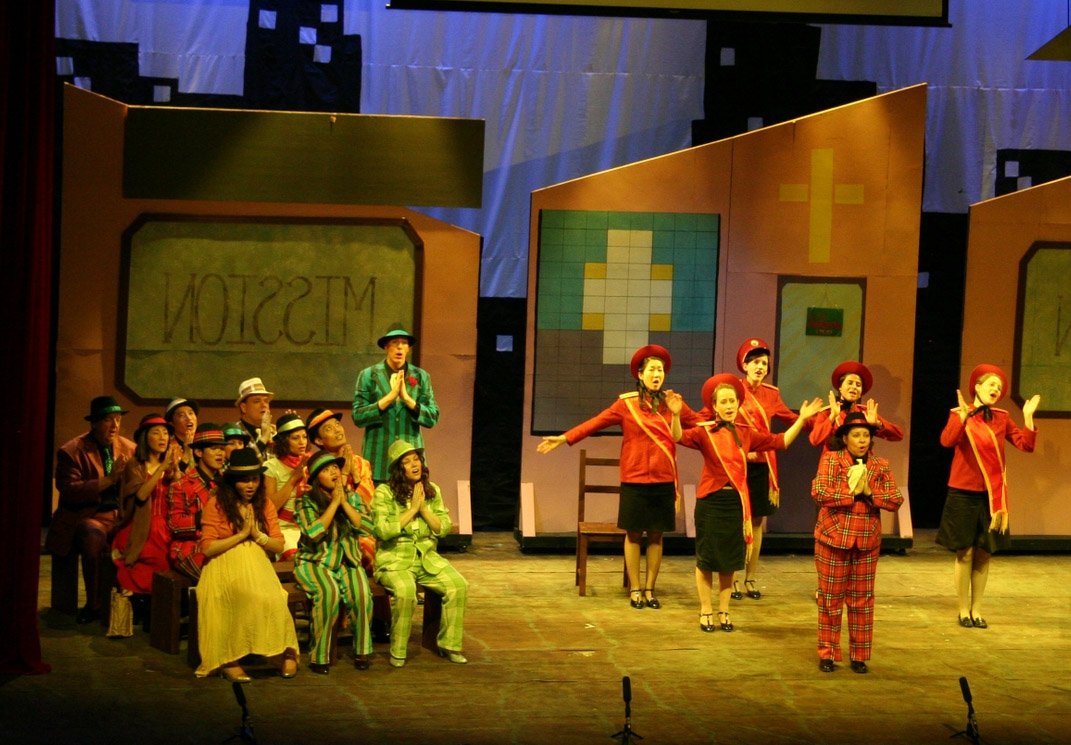

The room was skeptical. By dessert, it was writing checks.
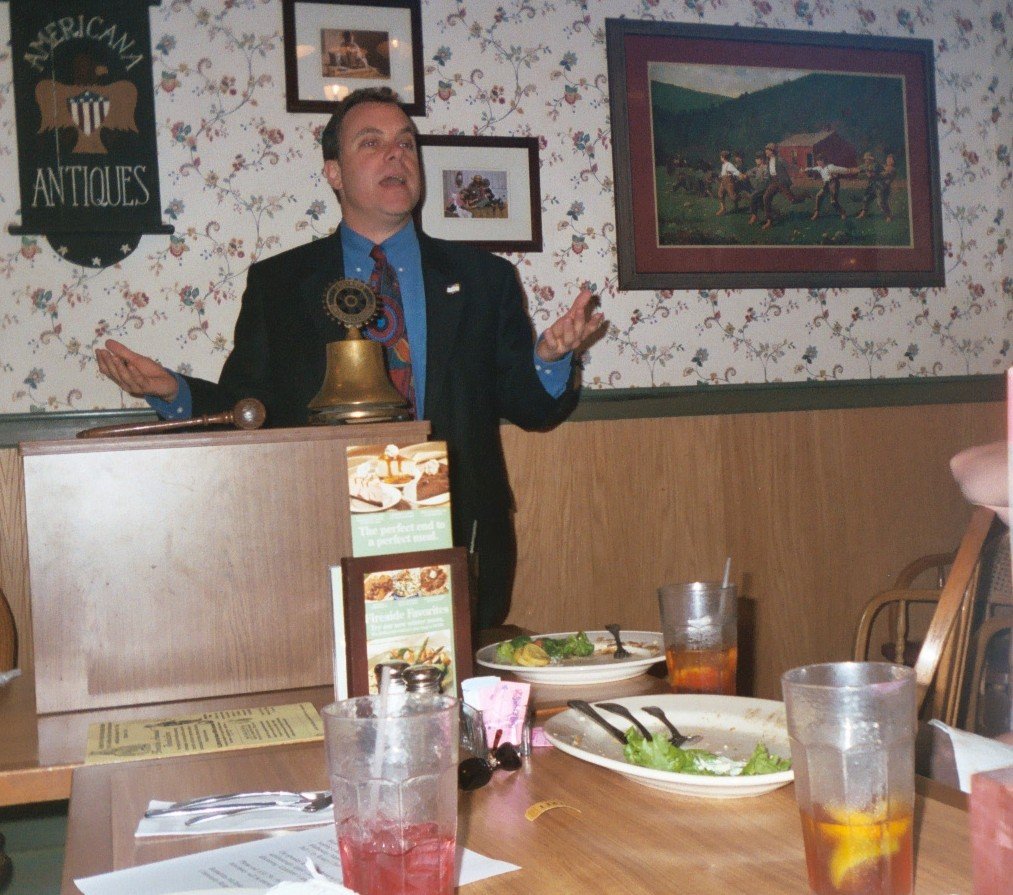
Those who have watched Chris Verrill work a benefit gala describe something between a performance and a sermon.
“Fundraising is storytelling with stakes,” he says. “People don’t give to budgets. They give to the moment they understand what their gift becomes.”
His approach begins long before the first guest arrives.
For Verrill, successful fundraising is not simply about asking people for money. It is about helping them understand the human impact behind a contribution.
A number on a budget sheet can feel abstract. A student receiving an opportunity, a community theater remaining open, or a young person discovering a creative path is much easier to understand.
That is where storytelling becomes essential.
His events have supported arts education, community theaters, and youth programs — causes he traces back to his own beginnings on small stages.
“Somebody funded the first stage I ever stood on,” he says. “I’m just passing the favor forward.”
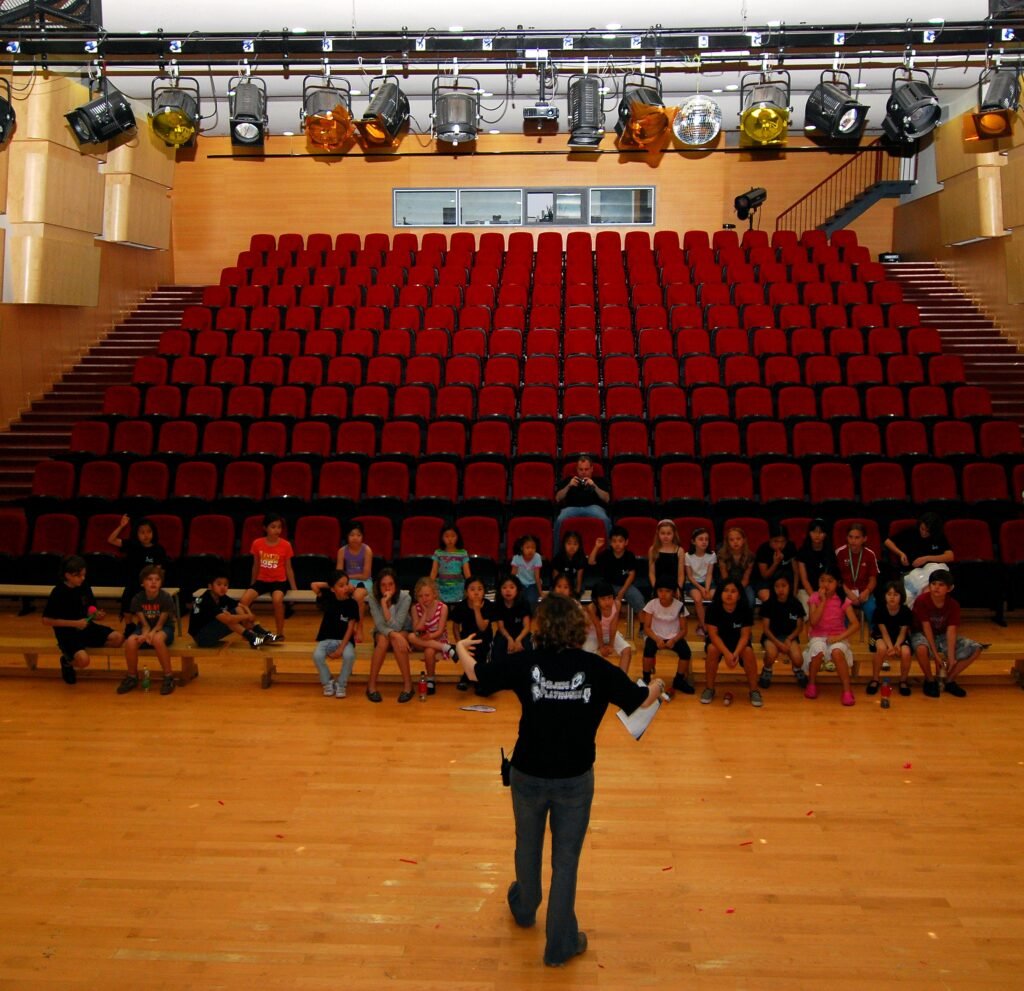
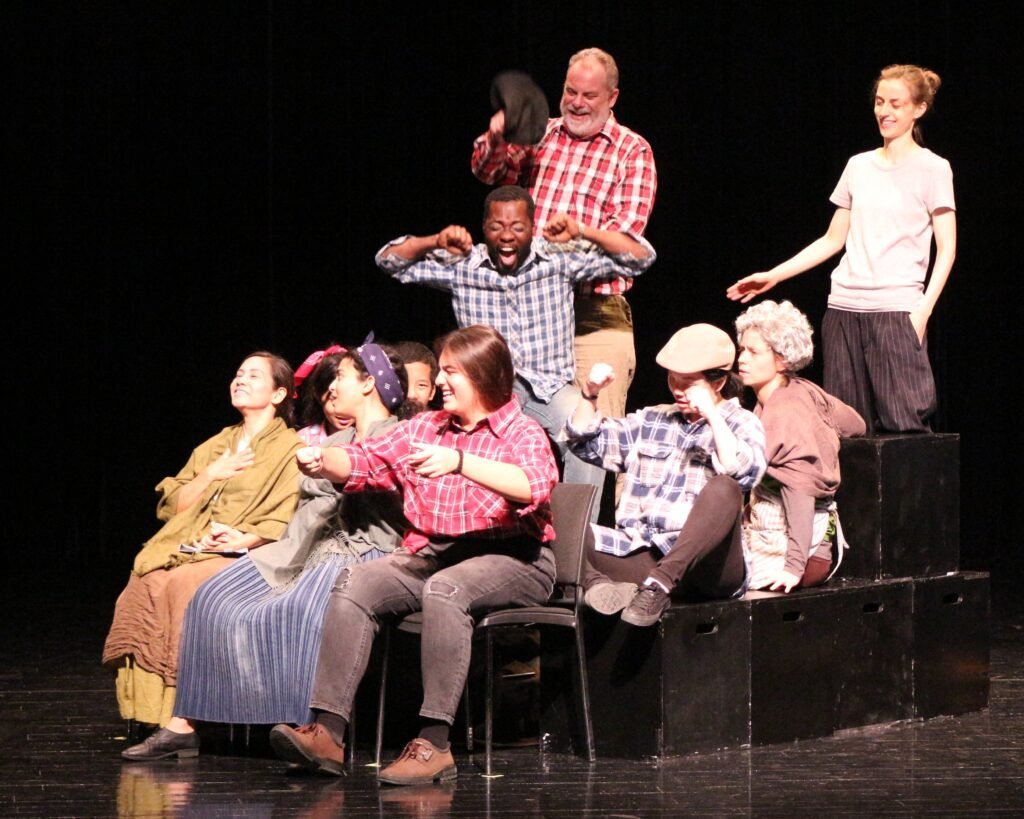
That personal connection gives his fundraising work a distinctive quality. He understands that many donors want more than recognition. They want to feel that their contribution is connected to something meaningful.
Reading a room is therefore as important as delivering a speech.
A successful fundraiser understands when an audience is engaged, when a story needs more context, and when it is time to stop talking.
Verrill’s background in theater has undoubtedly influenced this instinct. Years of performing taught him that audiences communicate even when they say nothing.
A shift in attention. A laugh. A moment of silence. A conversation beginning at the back of the room.
Each can provide information.
Fundraising requires the same awareness.
The strongest appeals do not make every donor feel the same emotion. Instead, they create a moment in which each person can see why the cause matters to them.
Verrill also believes that fundraising should leave people feeling invited rather than pressured.
The goal is not simply to close a transaction before the evening ends. It is to create a relationship between a donor and a mission.
That relationship can last far beyond a single event.
Over time, the most successful organizations build communities of supporters who understand the work, trust the people behind it, and want to participate in its future.
For Verrill, that is the real measure of a successful gala.
The checks matter, of course. They fund programs, people, and possibilities.
But the story behind those checks matters just as much.
Because when people understand what their generosity can become, giving stops feeling like an obligation.
It becomes participation.